








Το Okeanos Explorer είναι το μοναδικό ομοσπονδιακά χρηματοδοτούμενο αμερικανικό πλοίο, του οποίου αποστολή είναι η εξερεύνηση του βυθού του ωκεανού για ερευνητικούς και εκπαιδευτικούς σκοπούς. Αυτή την περίοδο, το ρόβερ του σκάφους ερευνά τα σκοτεινά βάθη γύρω από την Αμερικανική Σαμόα και τα πρώτα ευρήματα φέρνουν στο φως ορισμένες μεγάλες και σημαντικές ανακαλύψεις γύρω από το άγνωστο κομμάτι του παγκόσμιου ωκεανού -του οποίου το 95% παραμένει ανεξερεύνητο.
«Το μεγαλύτερο κατοικήσιμο κομμάτι του πλανήτη μας είναι, με διαφορά, ο βαθύς ωκεανός, αλλά εξακολουθούμε να γνωρίζουμε πολύ λίγα γι’ αυτόν», εξηγεί ο Santiago Herrera, επισκέπτης επίκουρος καθηγητής βιολογικών επιστημών στο Lenigh University. «Έχουμε παρατηρήσει πολύ λιγότερο από το 1% του συνόλου του θαλάσσιου πυθμένα. Οι επιστήμονες έχουμε καλύτερη γνώση της επιφάνειας του Άρη ή της Σελήνης από αυτή που έχουμε για την επιφάνεια της γης», συμπληρώνει.
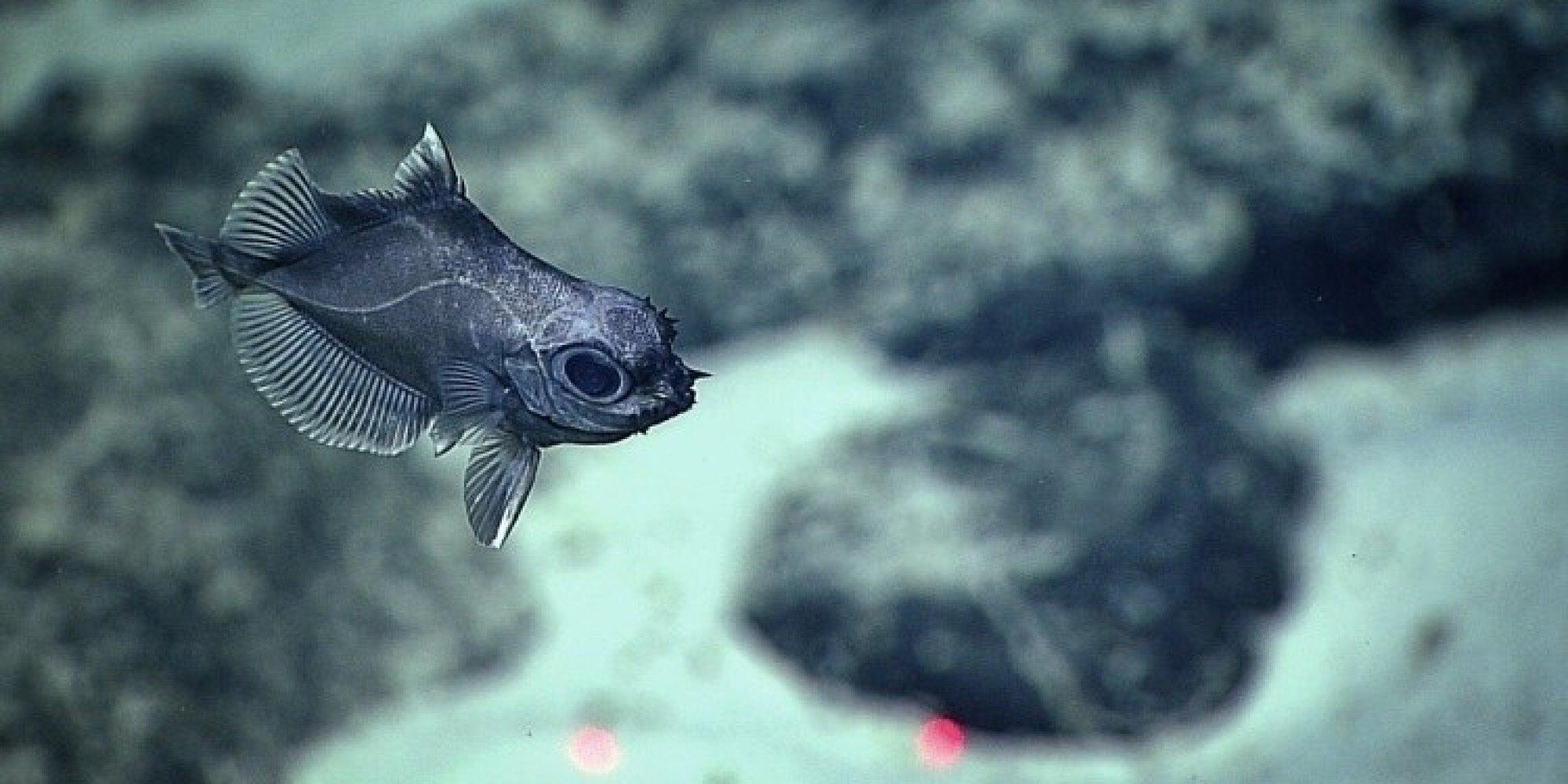
Η πιο πρόσφατη αποστολή του ρόβερ, η οποία προβαλλόταν σε ζωντανή σύνδεση στο διαδίκτυο, κατάφερε να αιχμαλωτίσει εντυπωσιακές φωτογραφίες της θαλάσσιας ζωής που κατοικεί σε αυτά τα βάθη. Οι φωτογραφίες αυτές θα βοηθήσουν τους επιστήμονες να διαλευκάνουν τα πολλά μυστήρια γύρω από τη ζωή στον πυθμένα του ωκεανού. Ταυτόχρονα, προσφέρουν σε όλους εμάς τους απλούς παρατηρητές μια αποκαλυπτική ματιά μέσα σε μέρη του κόσμου μας που, κατά πάσα πιθανότητα, δε θα δούμε ποτέ από κοντά.
Αυτή τη στιγμή και μέχρι και τις 21 Απριλίου, το ρόβερ βρίσκεται στη δεύτερη αποστολή του στο άγνωστο. Αν θέλετε να είστε από τους πρώτους που θα δουν τα όποια ευρήματά του, μπορείτε να παρακολουθείτε την αποστολή σε πραγματικό χρόνο μέσω του live streaming του Okeanos Explorer.
Η δημοσίευση κοινοποιήθηκε από το χρήστη NOAA Ocean Exploration (@noaaoceanexploration) στις
Η δημοσίευση κοινοποιήθηκε από το χρήστη NOAA Ocean Exploration (@noaaoceanexploration) στις
Advertisement
Η δημοσίευση κοινοποιήθηκε από το χρήστη NOAA Ocean Exploration (@noaaoceanexploration) στις
AdvertisementΗ δημοσίευση κοινοποιήθηκε από το χρήστη NOAA Ocean Exploration (@noaaoceanexploration) στις
Η δημοσίευση κοινοποιήθηκε από το χρήστη NOAA Ocean Exploration (@noaaoceanexploration) στις
Advertisement
Η δημοσίευση κοινοποιήθηκε από το χρήστη NOAA Ocean Exploration (@noaaoceanexploration) στις
AdvertisementΗ δημοσίευση κοινοποιήθηκε από το χρήστη NOAA Ocean Exploration (@noaaoceanexploration) στις
Advertisement
Η δημοσίευση κοινοποιήθηκε από το χρήστη NOAA Ocean Exploration (@noaaoceanexploration) στις
AdvertisementΗ δημοσίευση κοινοποιήθηκε από το χρήστη NOAA Ocean Exploration (@noaaoceanexploration) στις
Η δημοσίευση κοινοποιήθηκε από το χρήστη NOAA Ocean Exploration (@noaaoceanexploration) στις